

Watchmaking course in English, class 1, June 10, 11 and 12 th of June 2026
8 000,00 kr
Who is this course for?
This course is intended for those who want to work with a mechanical movement and learn how to service and examine it according to established standards. To be able to perform a full service, you will need to continue with additional courses—primarily Course 2. This course provides the essential foundation in the construction and function of a mechanical movement.
Capacity and requirements
The maximum number of participants per session is four. If you are more than four people wishing to attend together, please contact us and we will see if a suitable arrangement can be made. The course will run with a minimum of two participants. Payment is made upon confirmed registration.
There are no prerequisites. Instruction is provided by an experienced watchmaker who has also worked as a teacher at a watchmaking school in Sweden. We take full responsibility for the materials you work with; if any parts are lost or damaged, we will replace them. The same applies to all tools loaned by us. All tools and consumables, such as finger cots and Rodico, are provided on-site.
Course structure
The course begins with an introduction and an overview of the content. The necessary tools and their uses will also be presented.
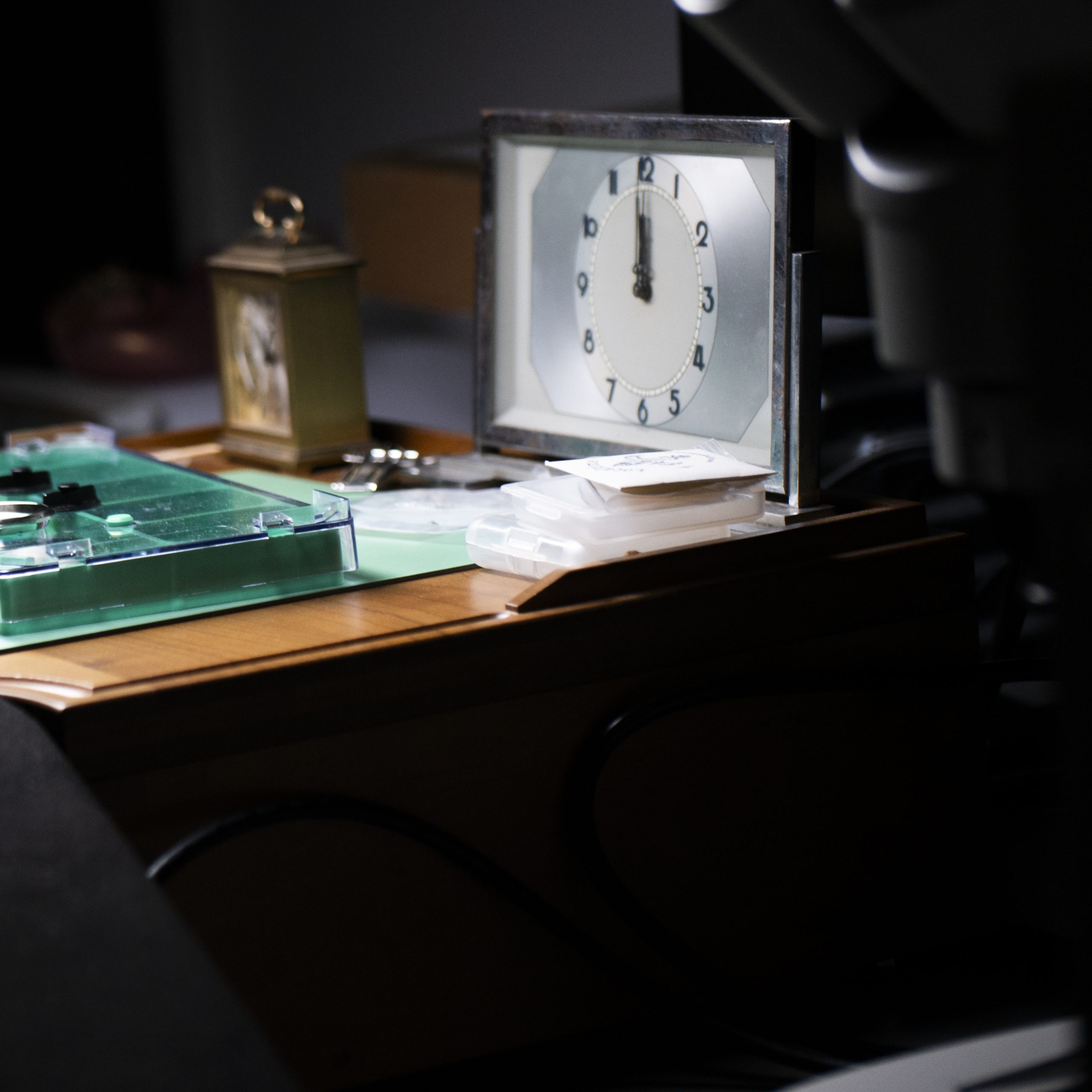
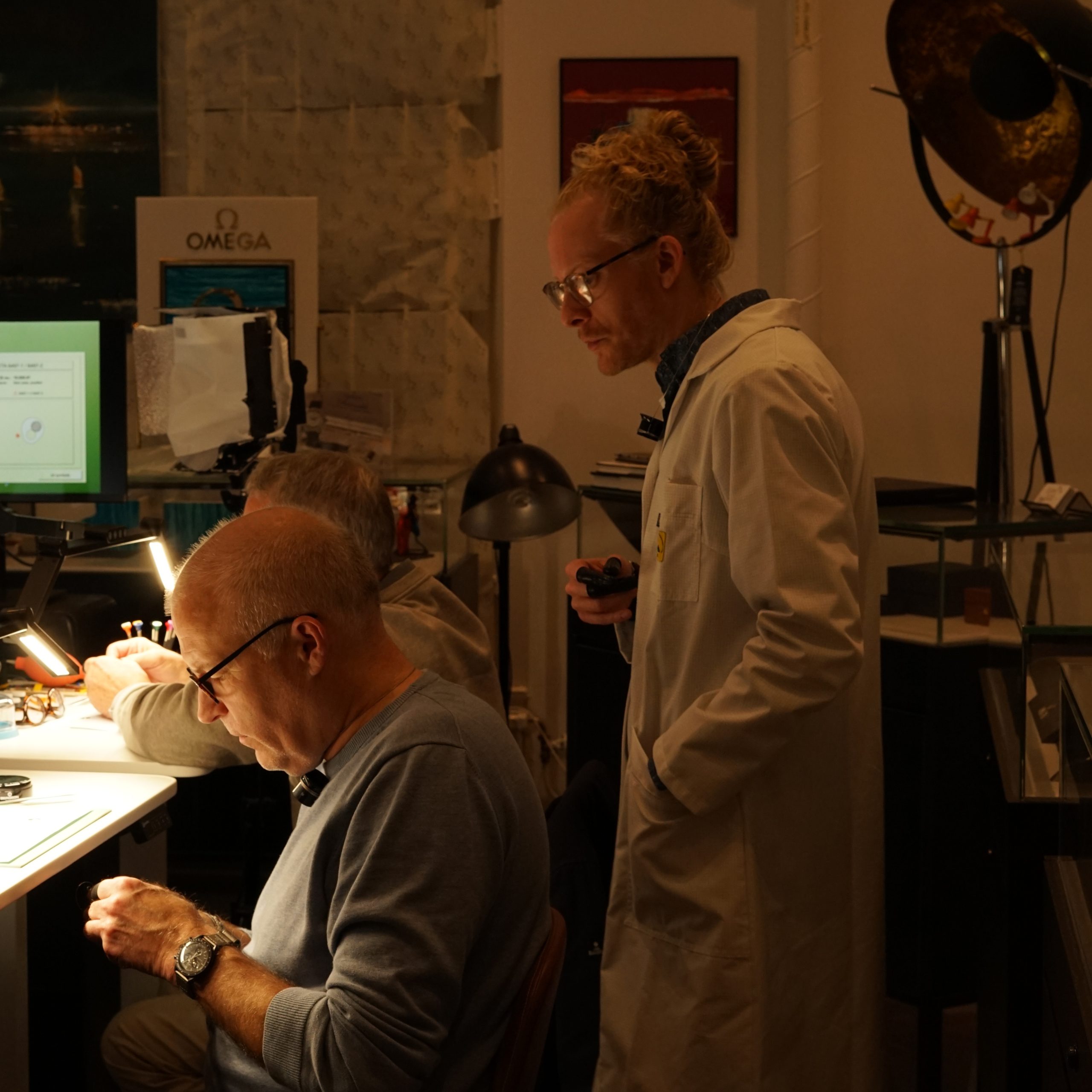
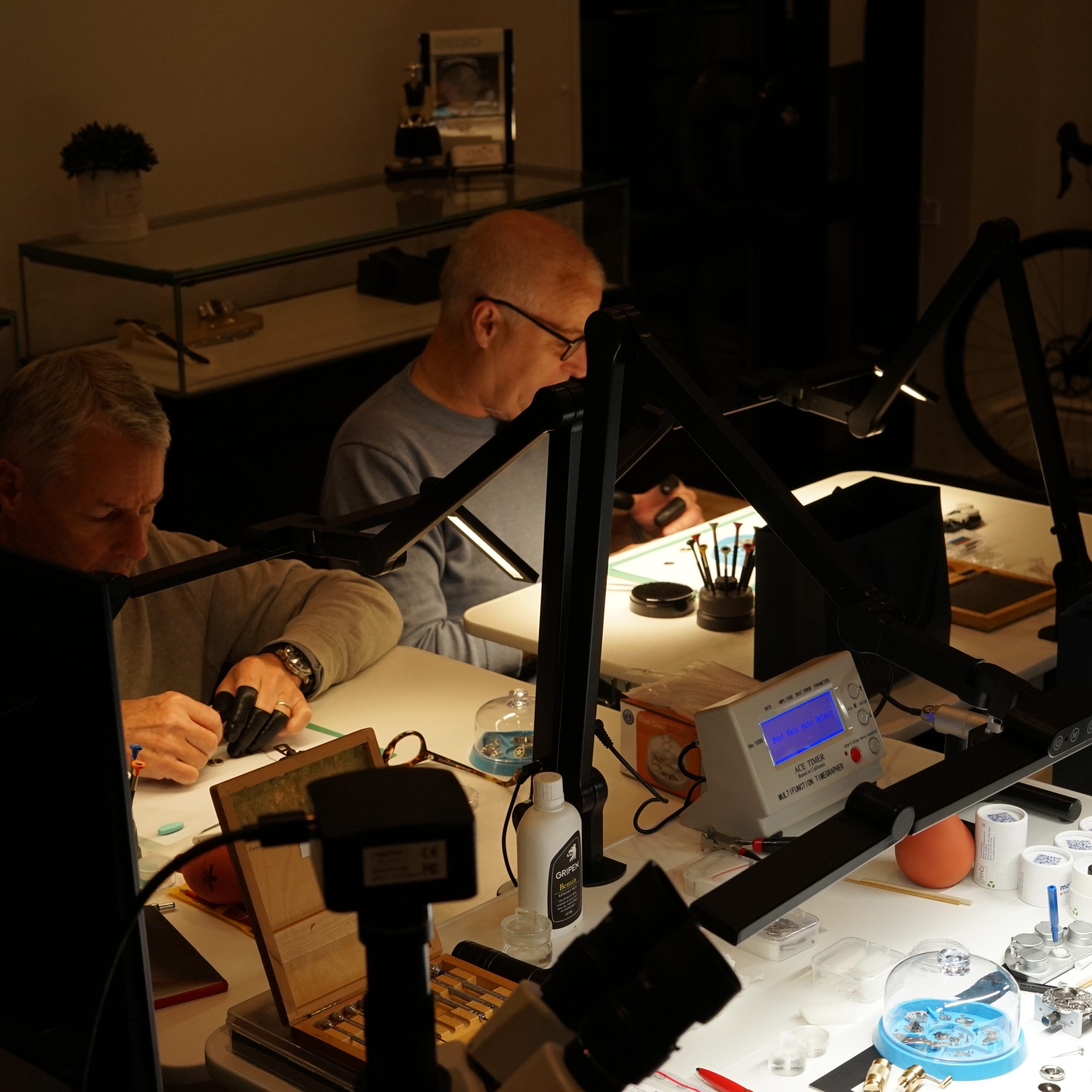
The course is divided into three evenings at our workshop in Gothenburg, approximately 18:00–21:00. Some flexibility is required, as unforeseen situations may arise.
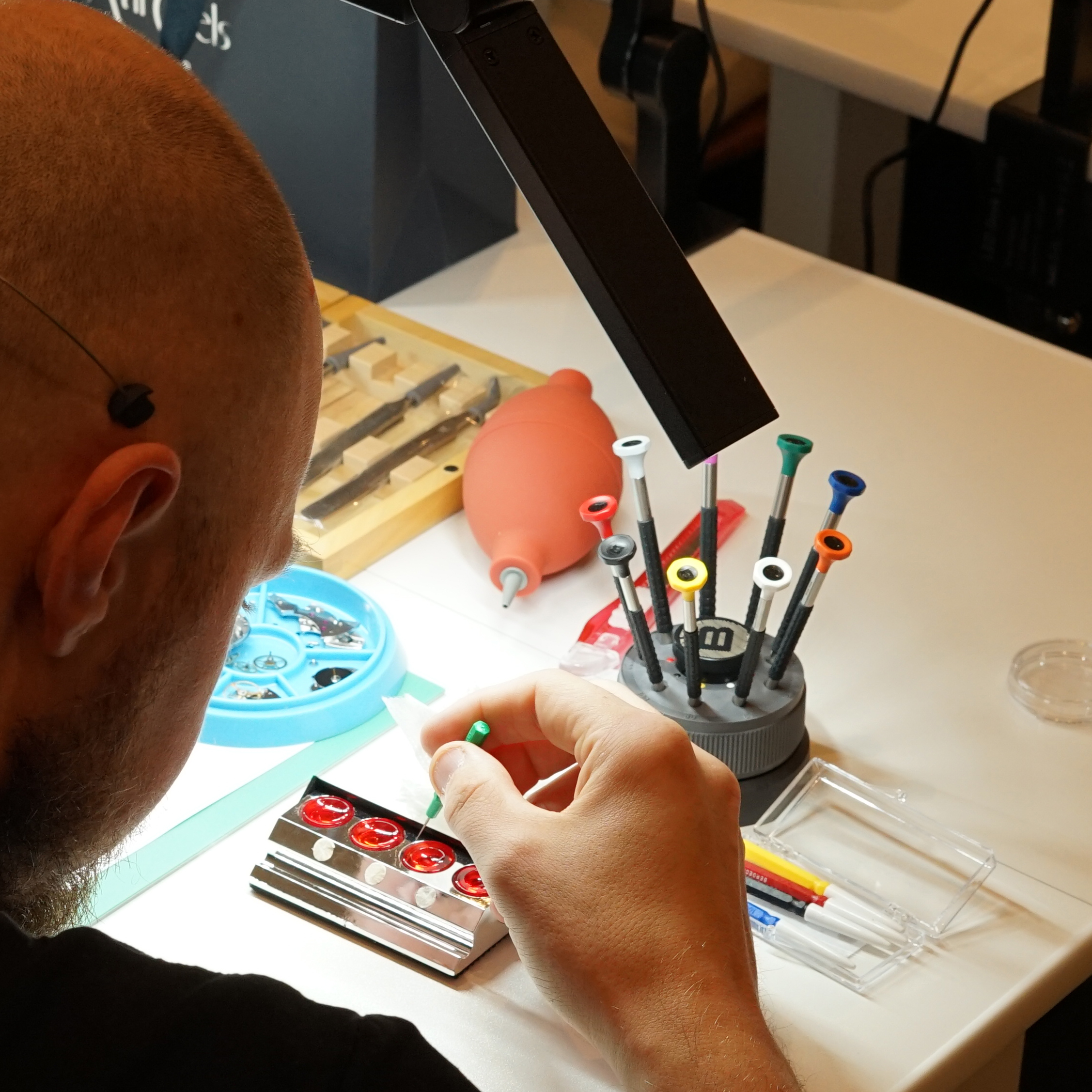
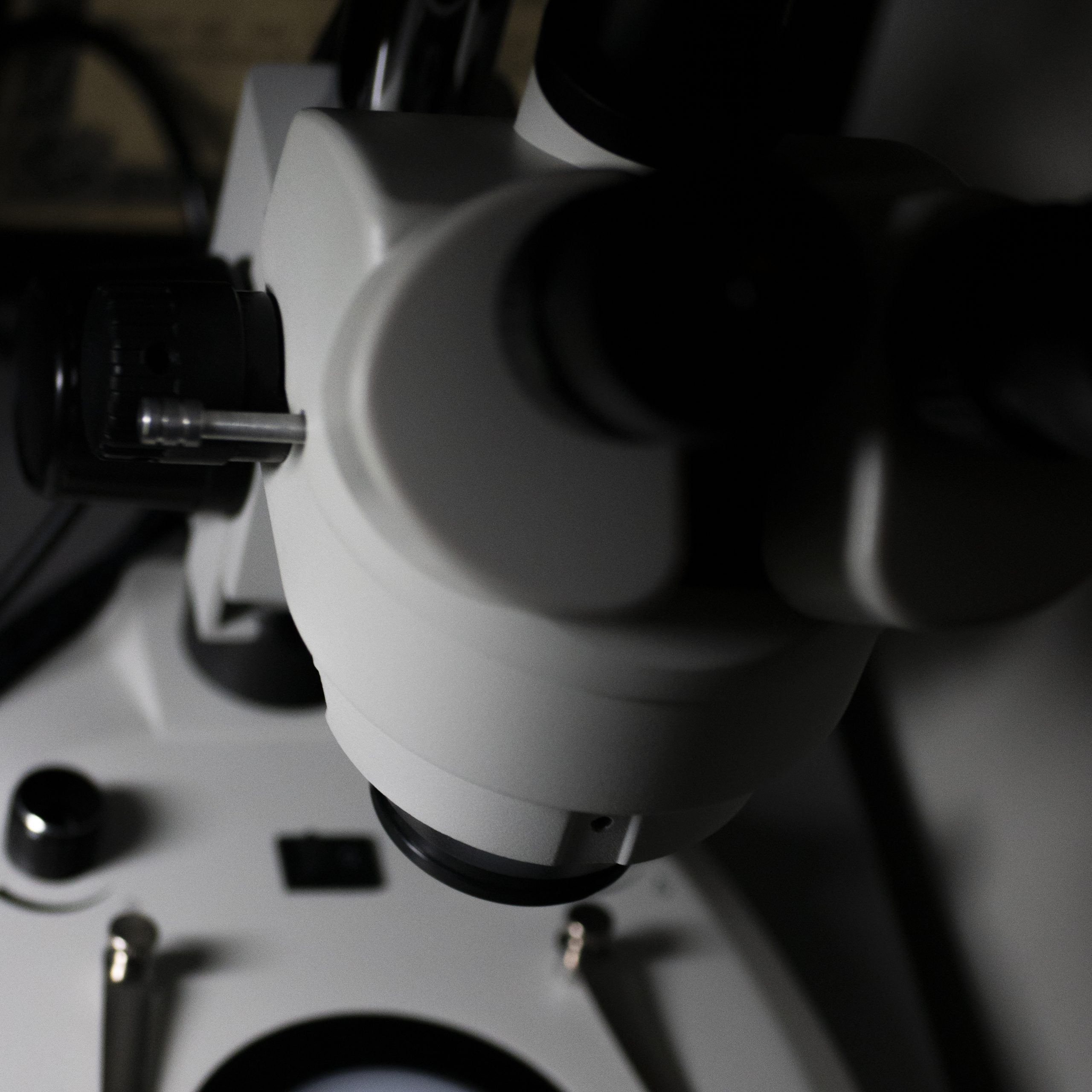
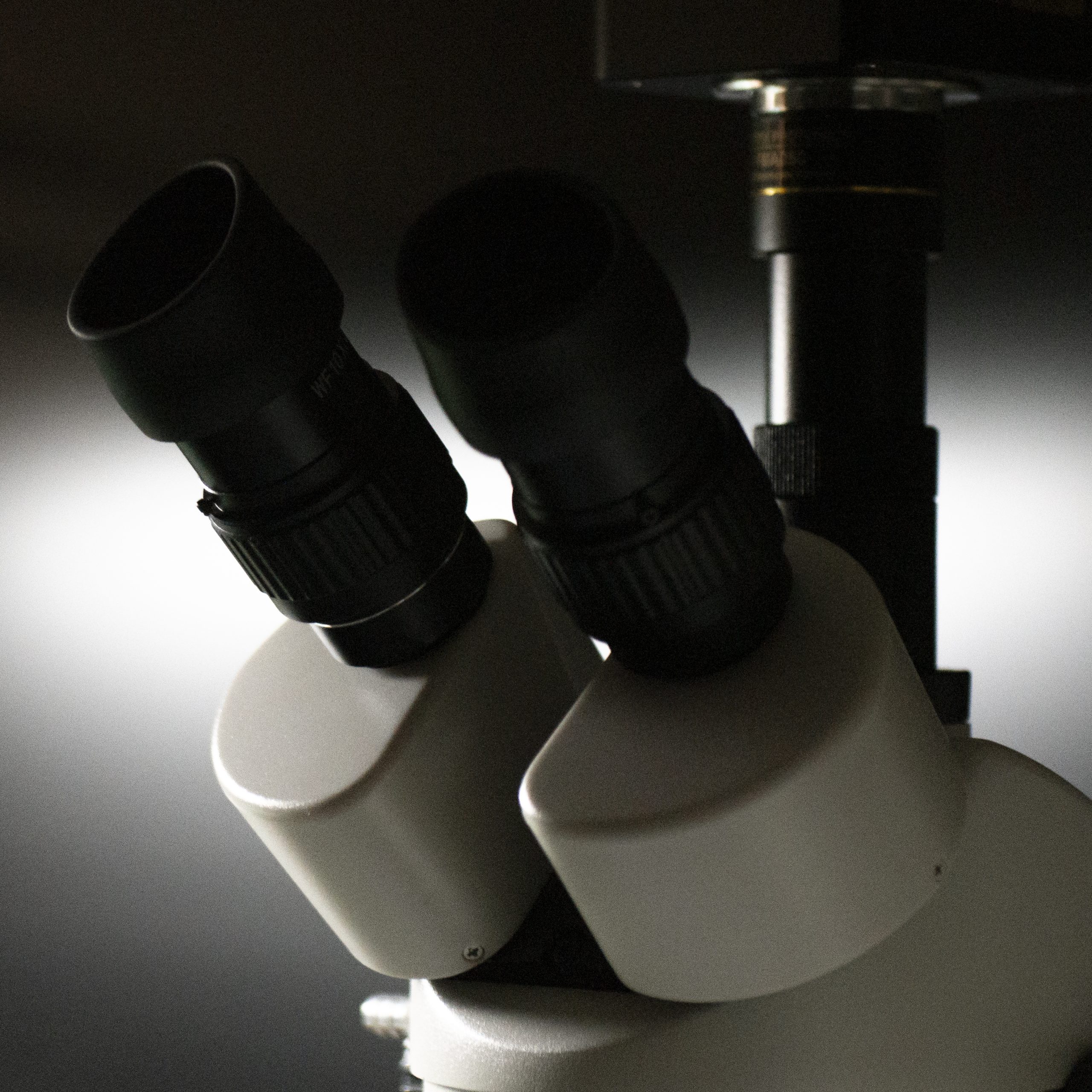
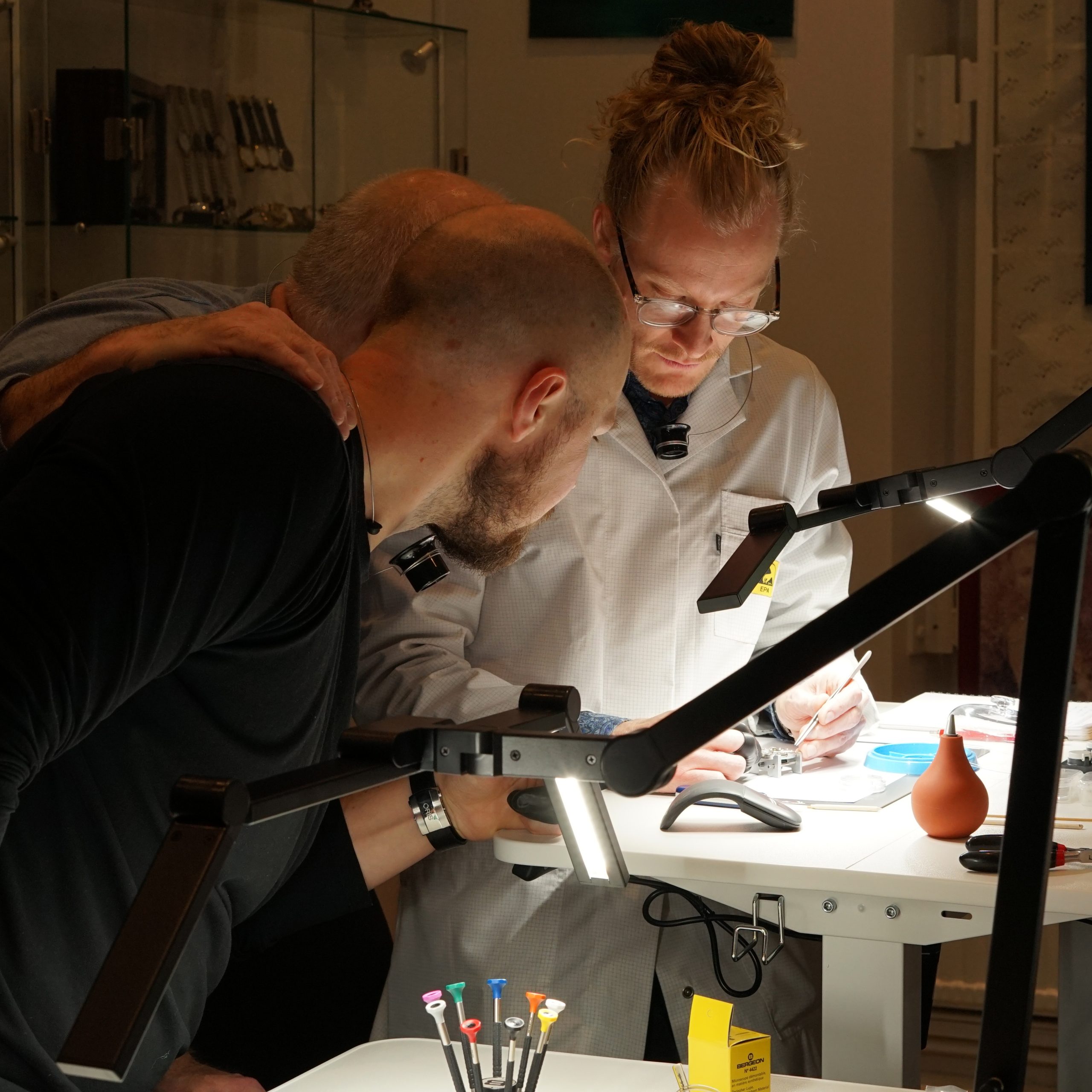
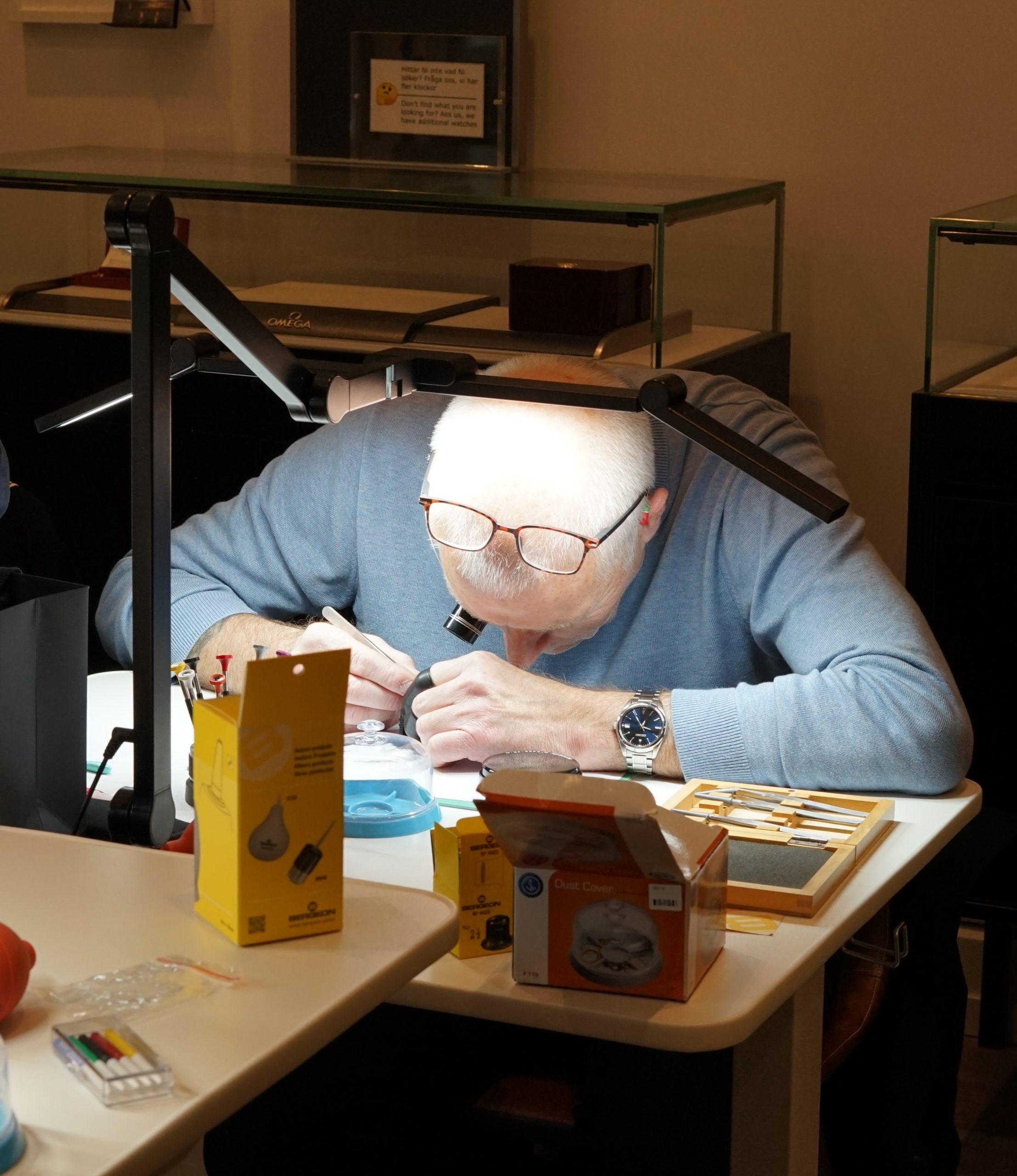
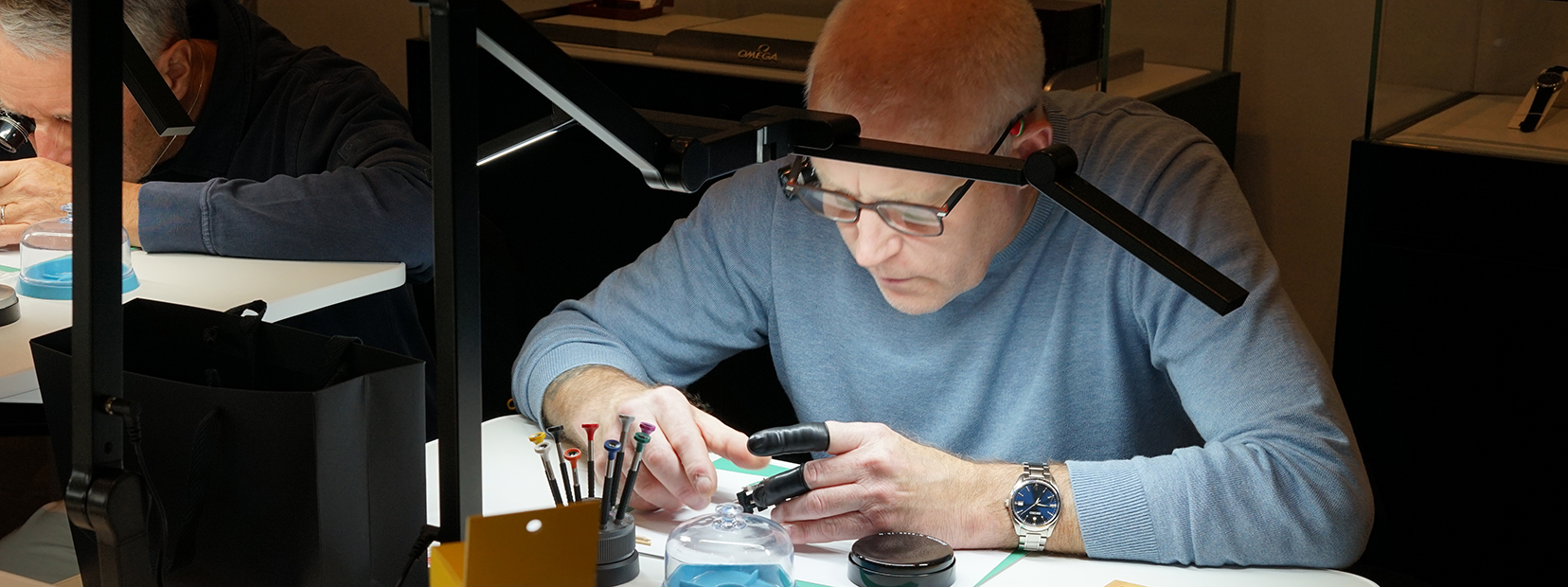
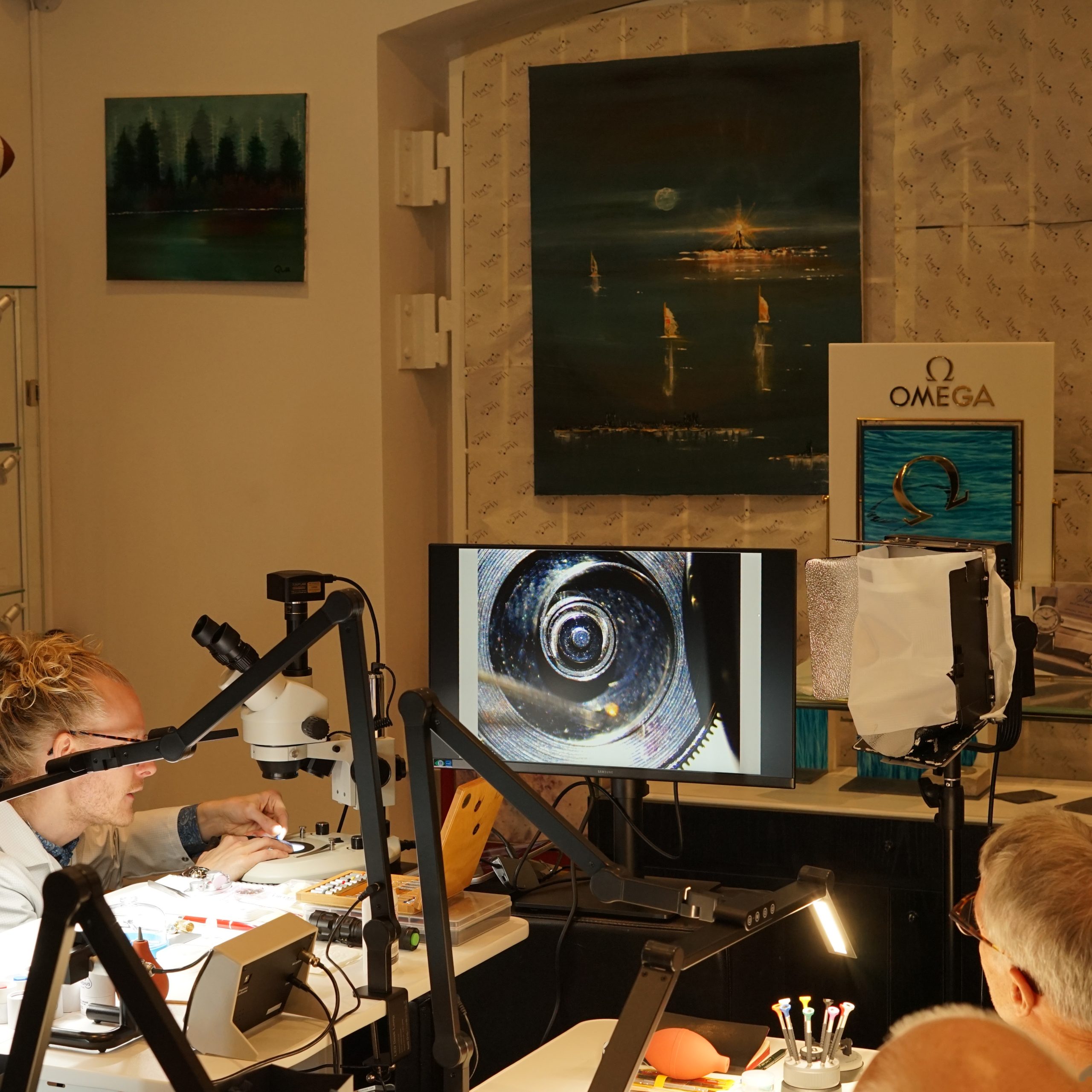
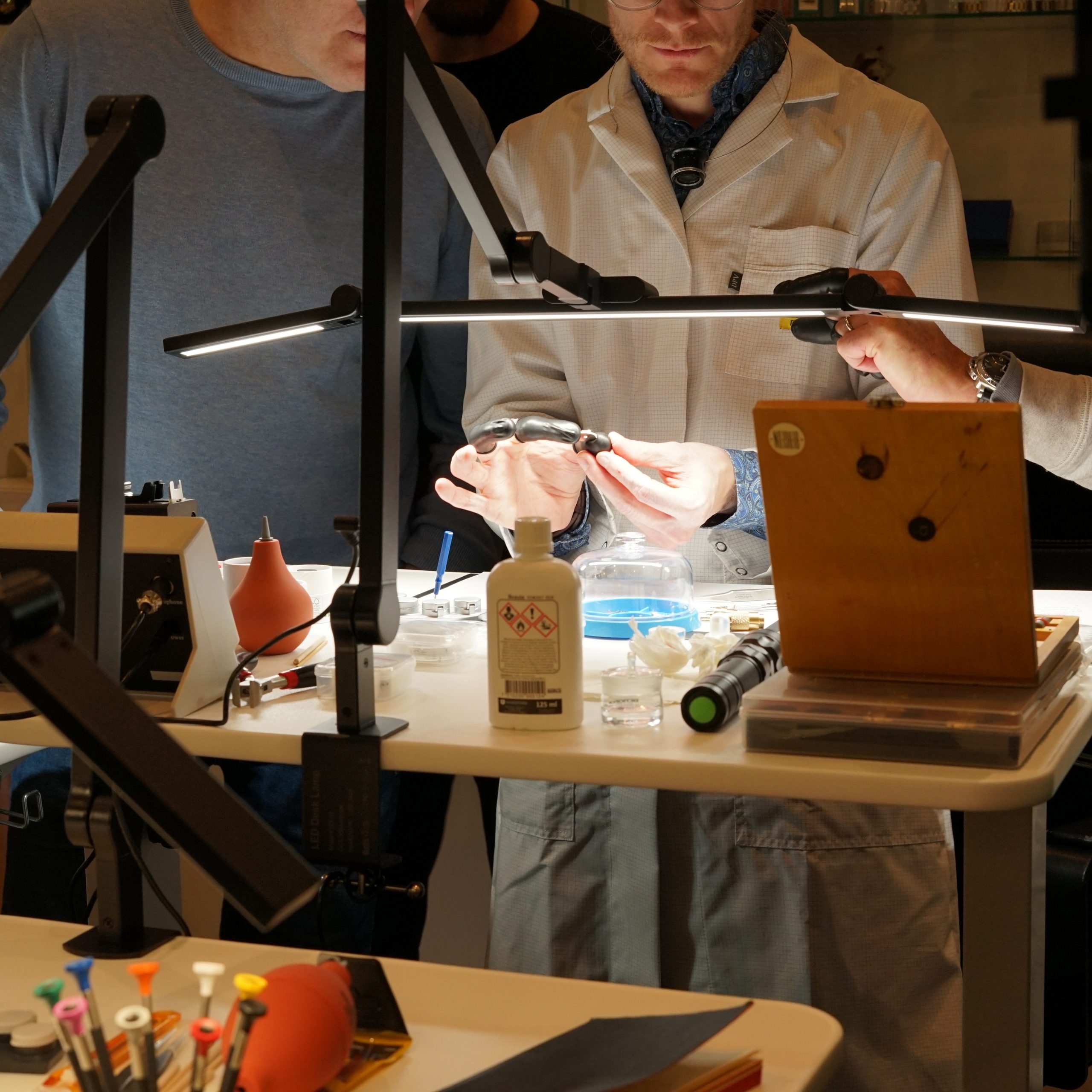
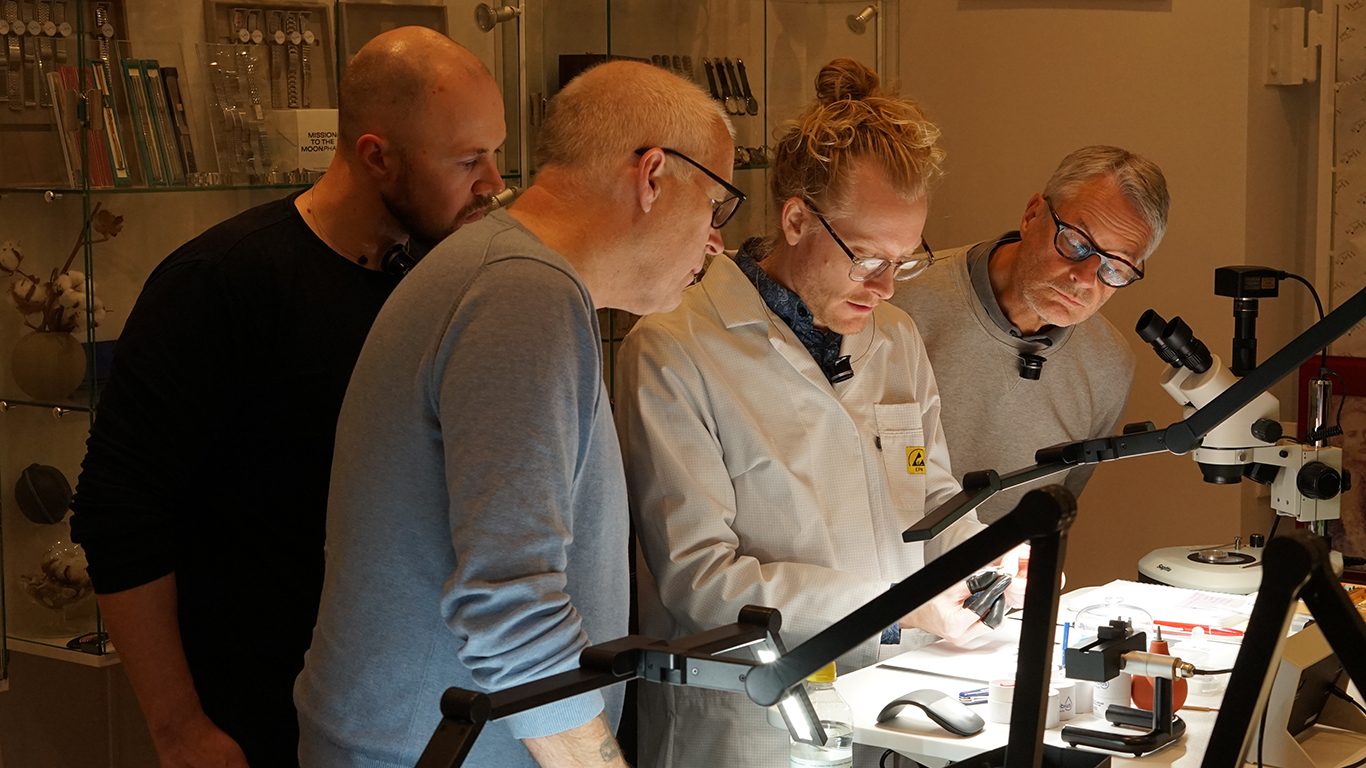
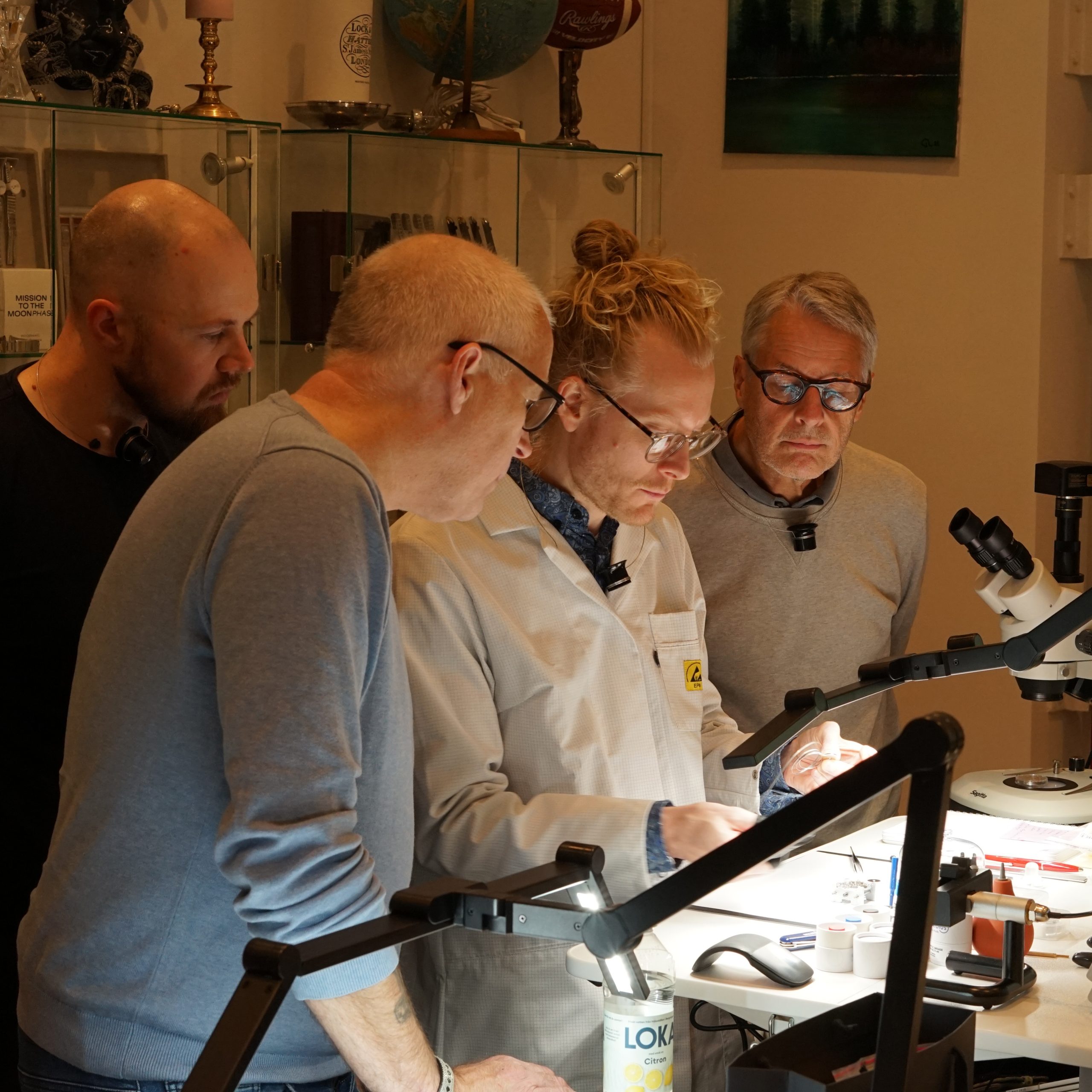
Many course elements will be demonstrated via microscope on a screen so that all participants can clearly follow the procedures. Other elements will be demonstrated by the instructor either at their workstation or at each participant’s station.
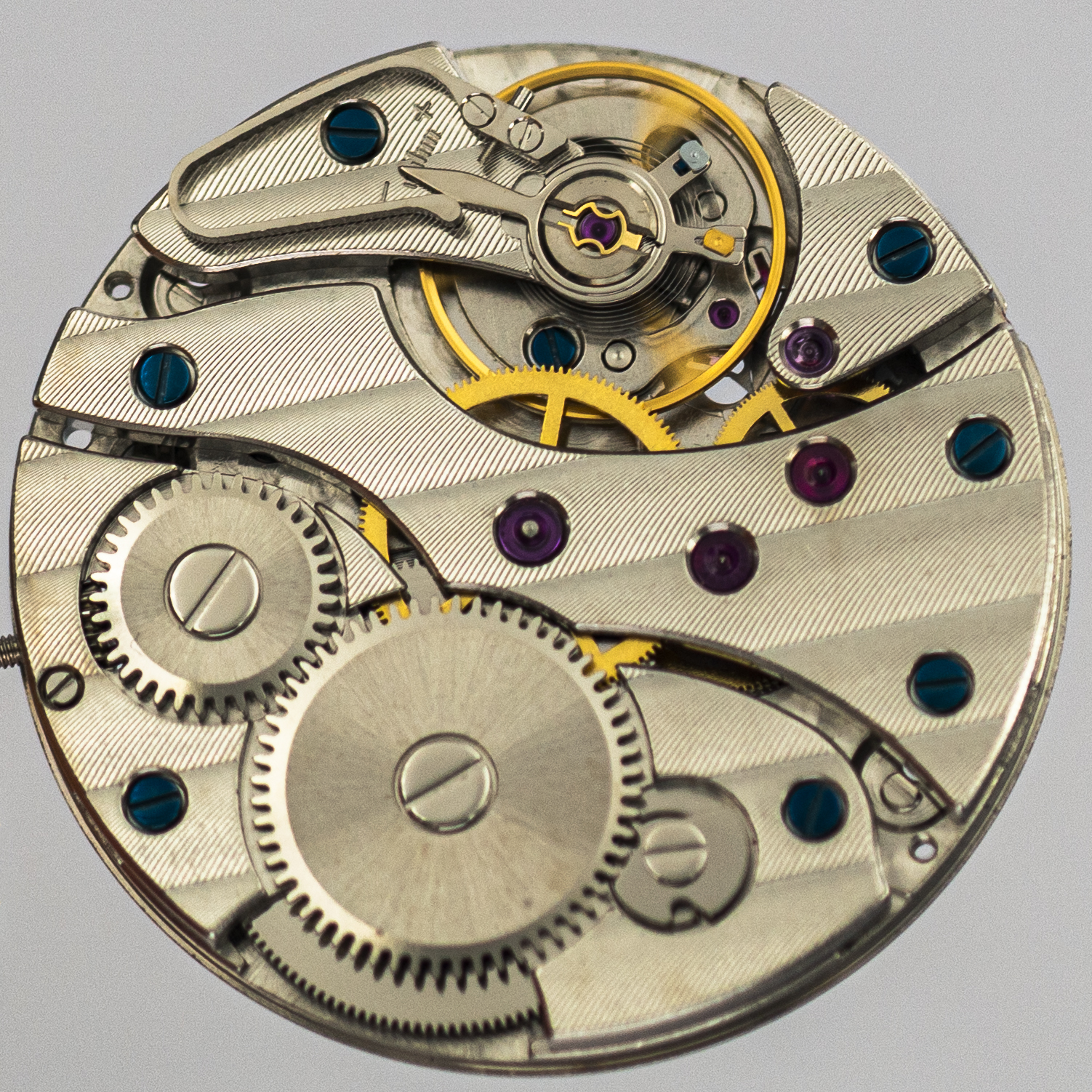
Participants will be provided with materials to work on in the form of a mechanical movement and any necessary spare parts.
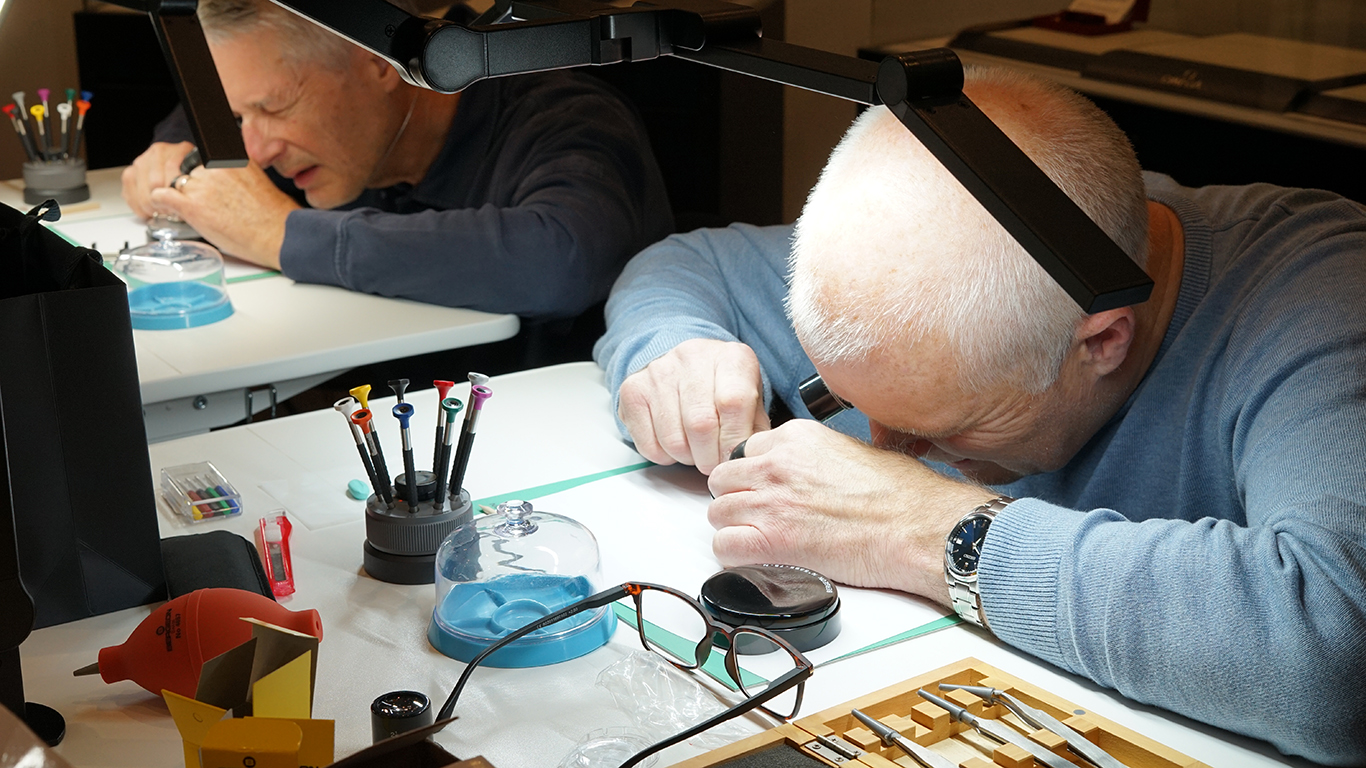
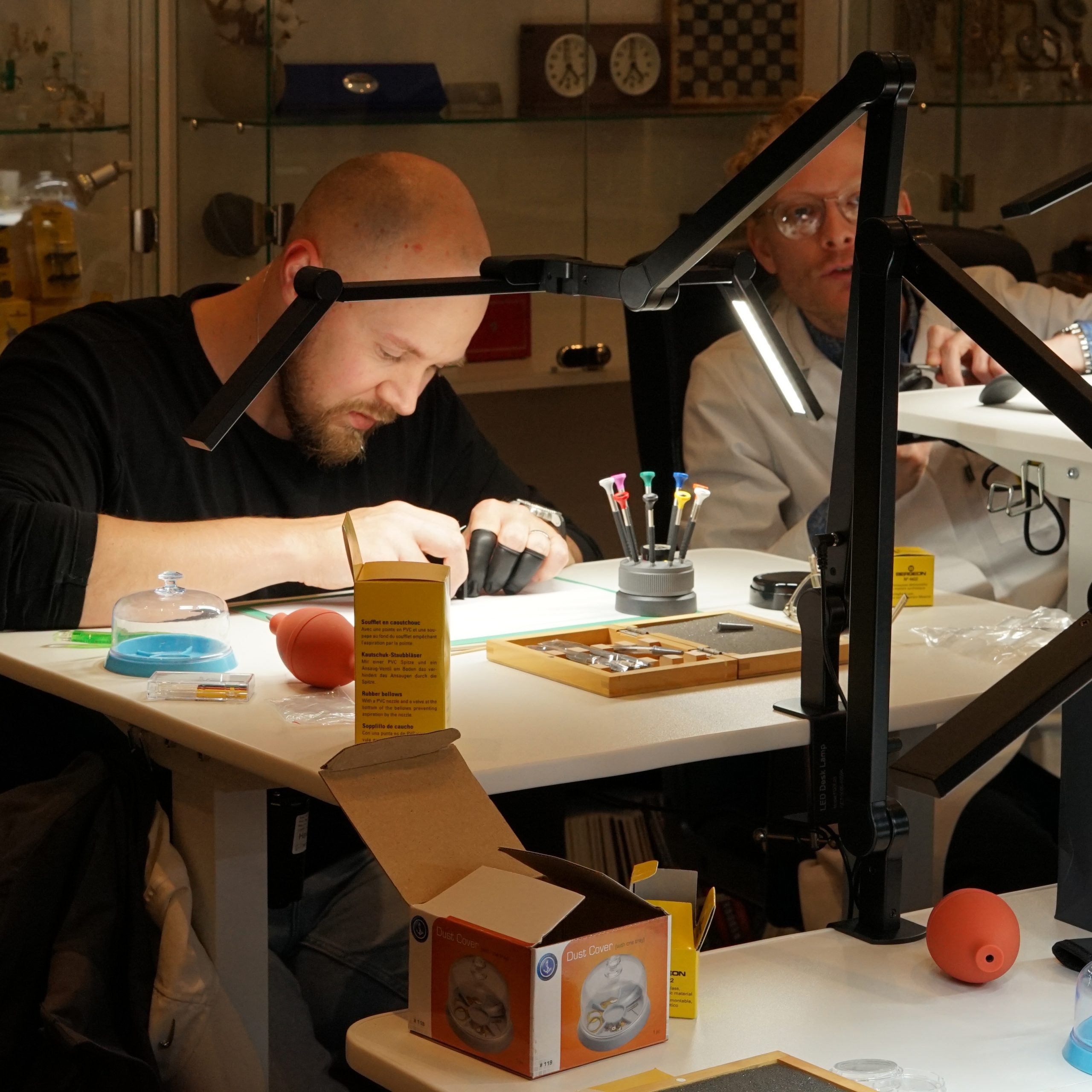
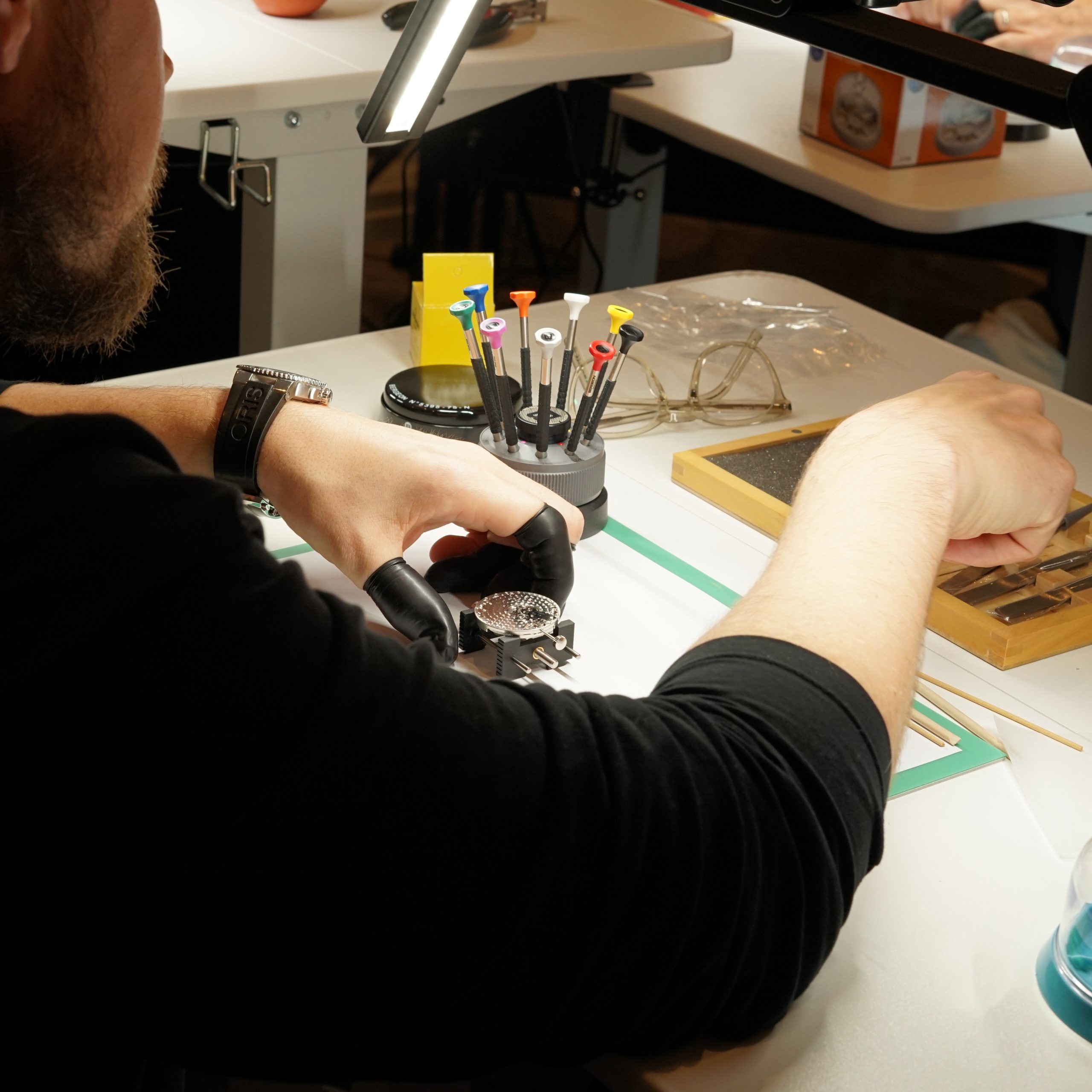
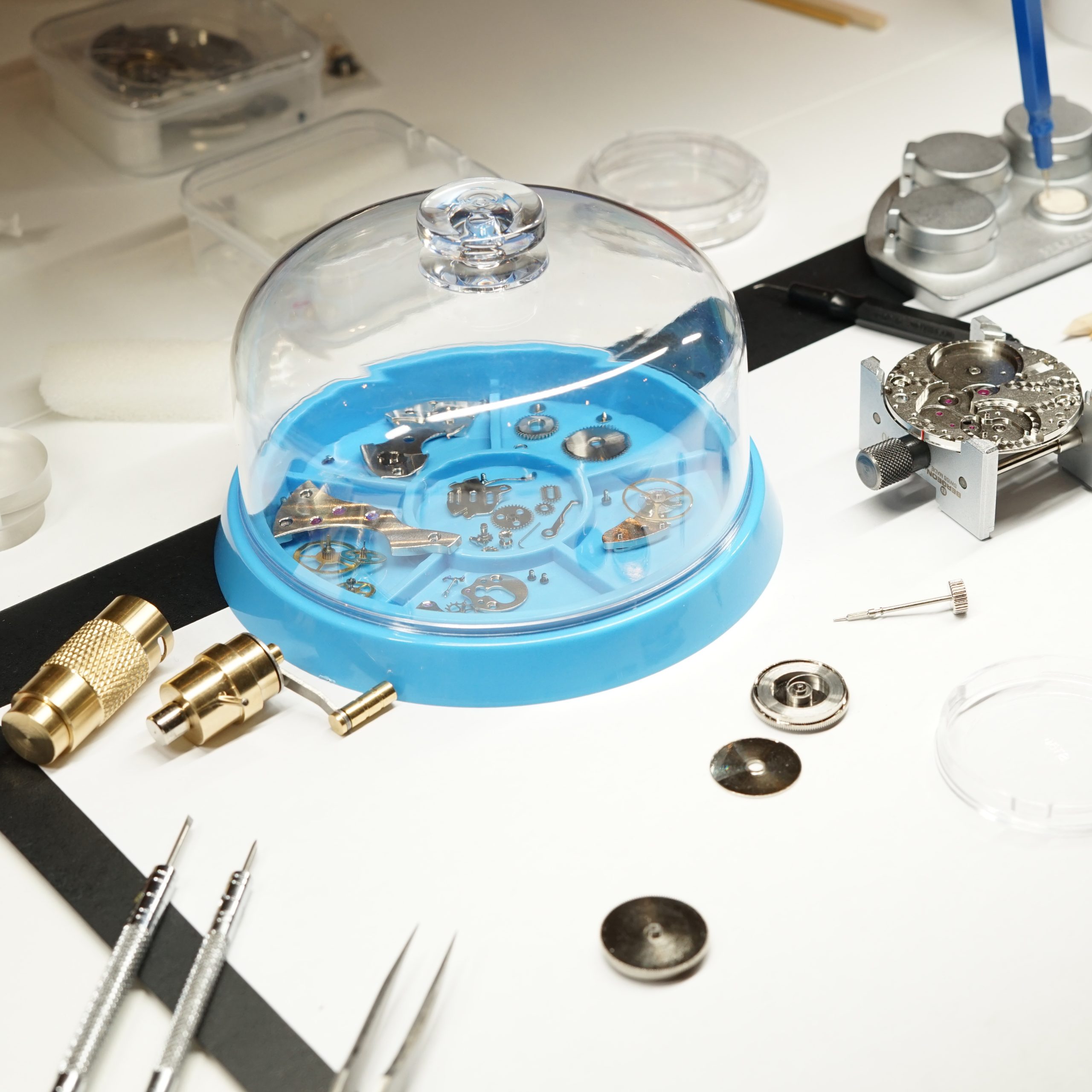
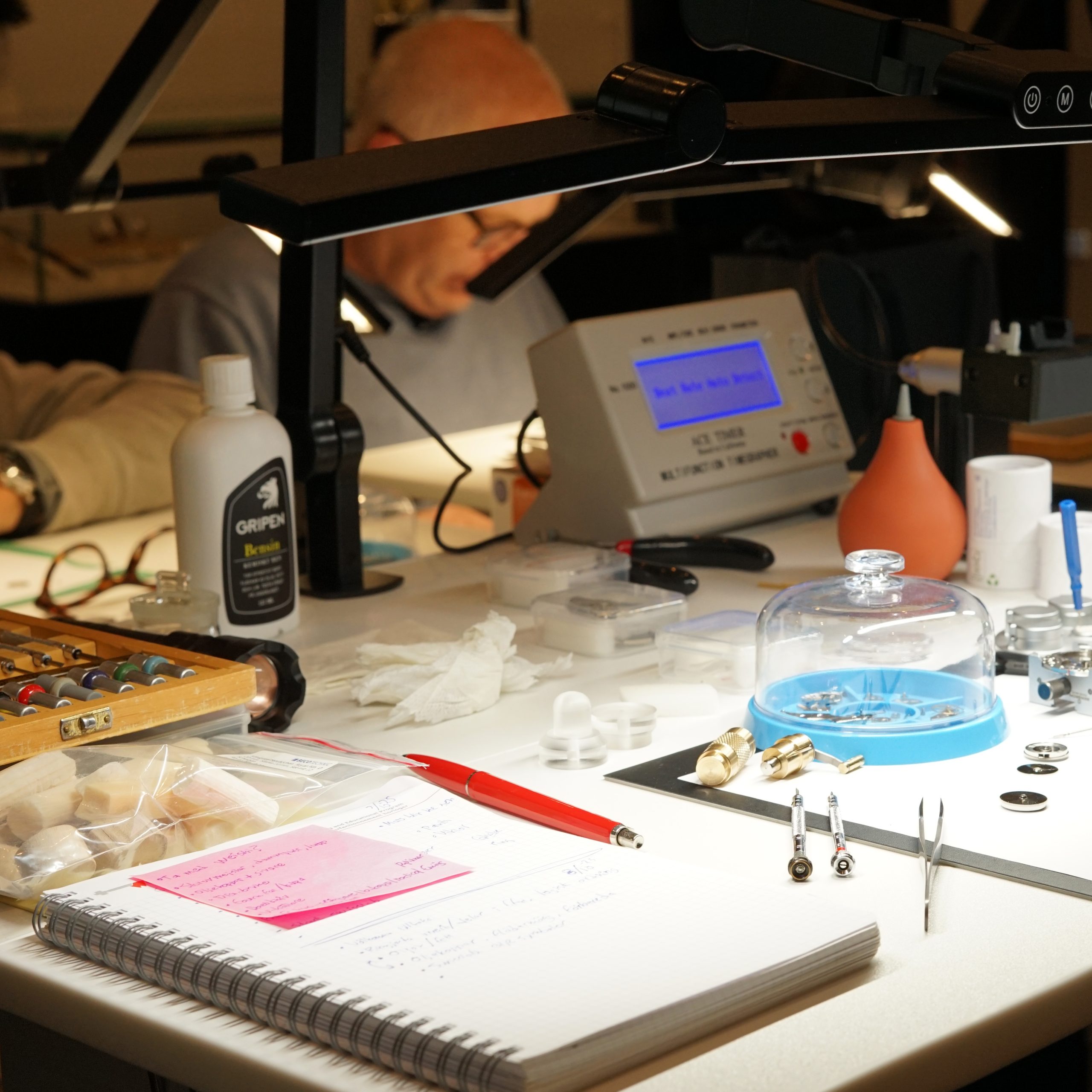
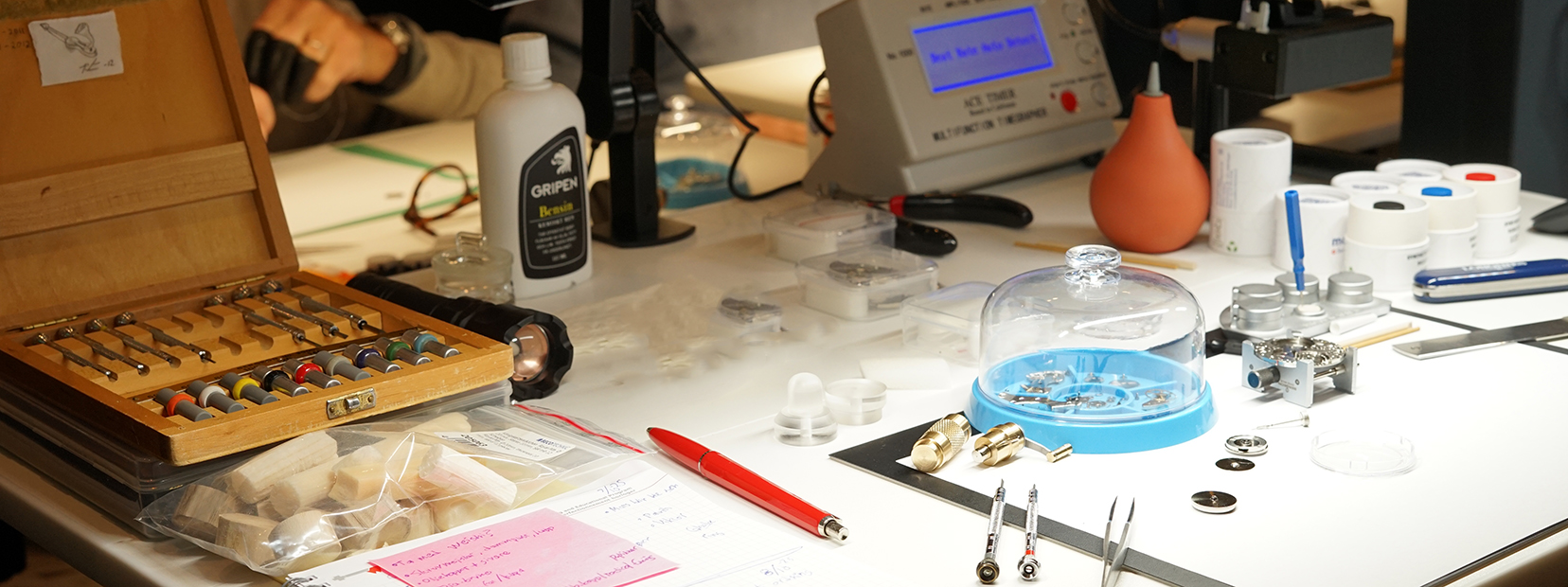
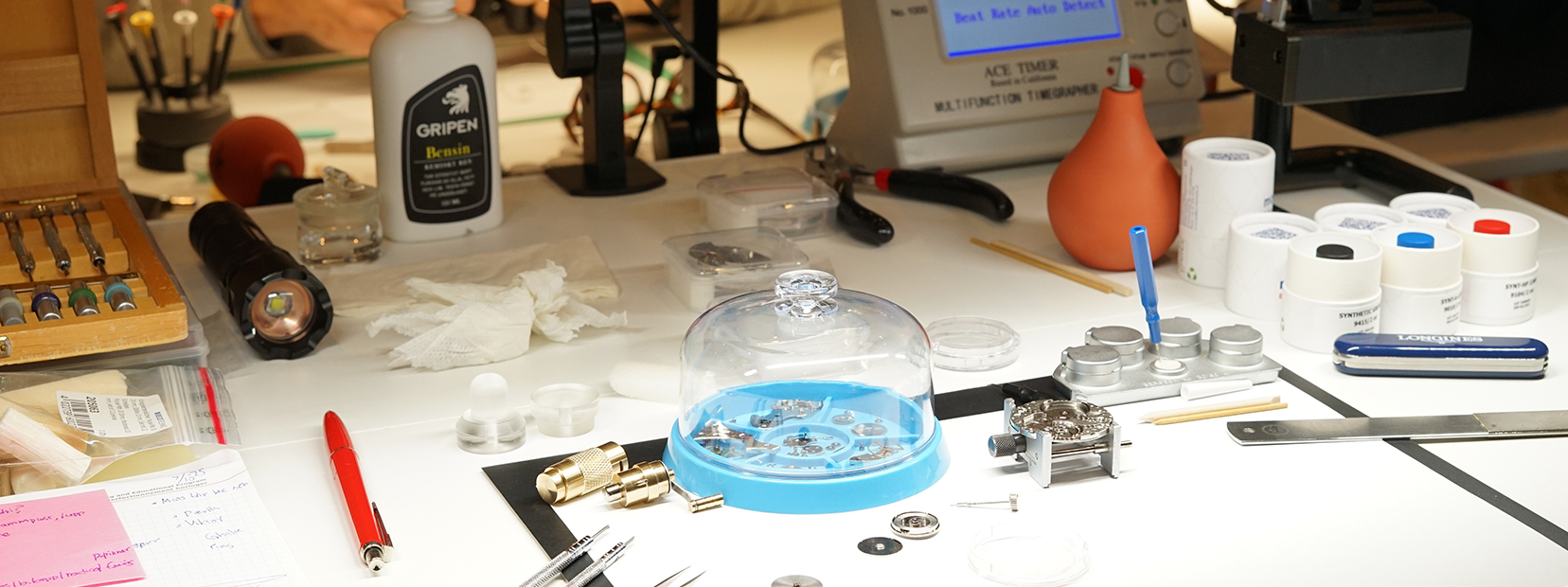
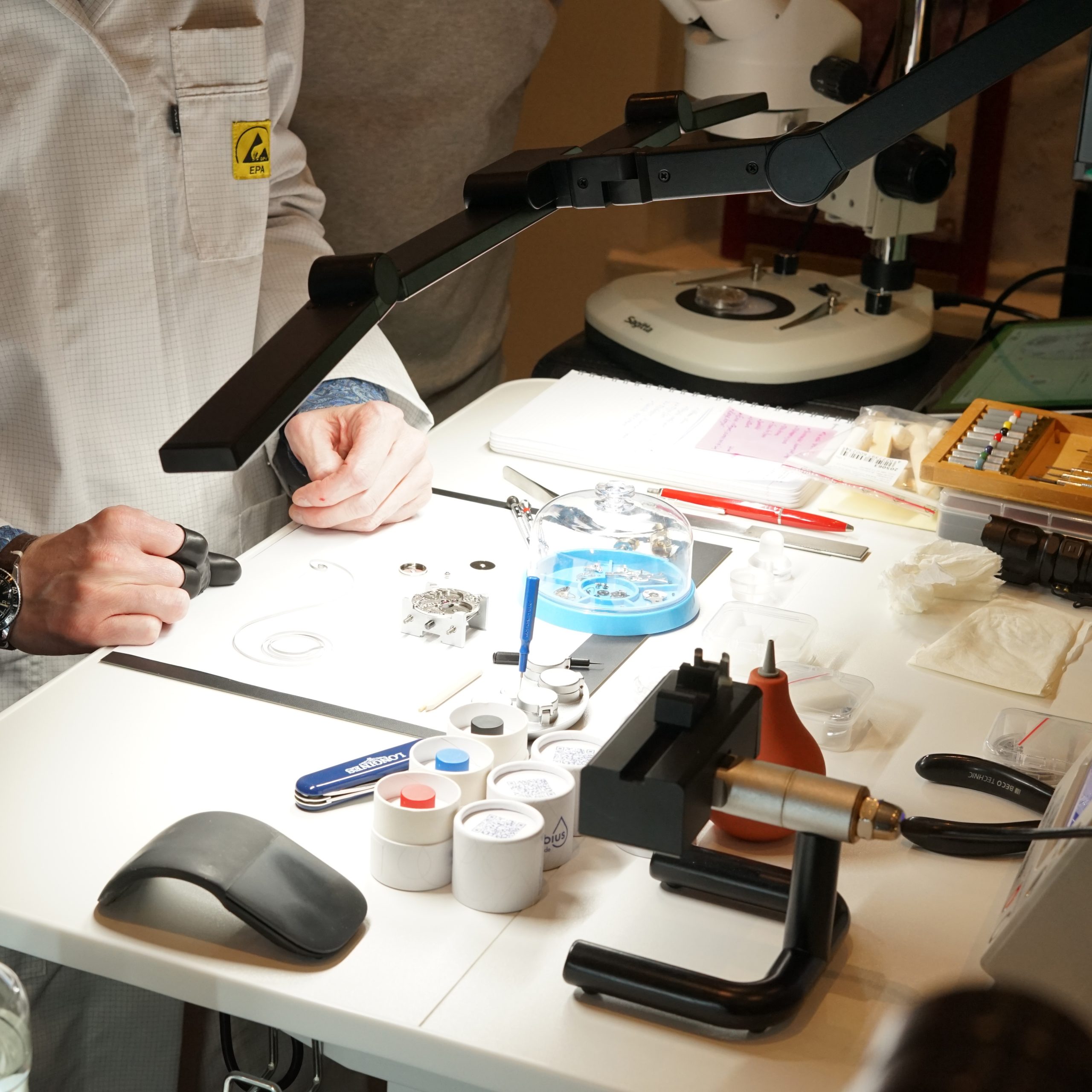
All required tools and equipment are available to borrow on-site. Participants may also purchase individual tools or a complete toolkit.
Course objectives
Upon completion, participants should understand the fundamental principles of a mechanical movement’s construction and function. They should also have acquired both practical and theoretical knowledge of the procedures involved in disassembling and assembling a mechanical movement.
Course content
– Introduction to the movement and its functions + review of the manual
– Introduction to tools and their applications
– Disassembly + letting down the mainspring
– Troubleshooting / theoretical examples
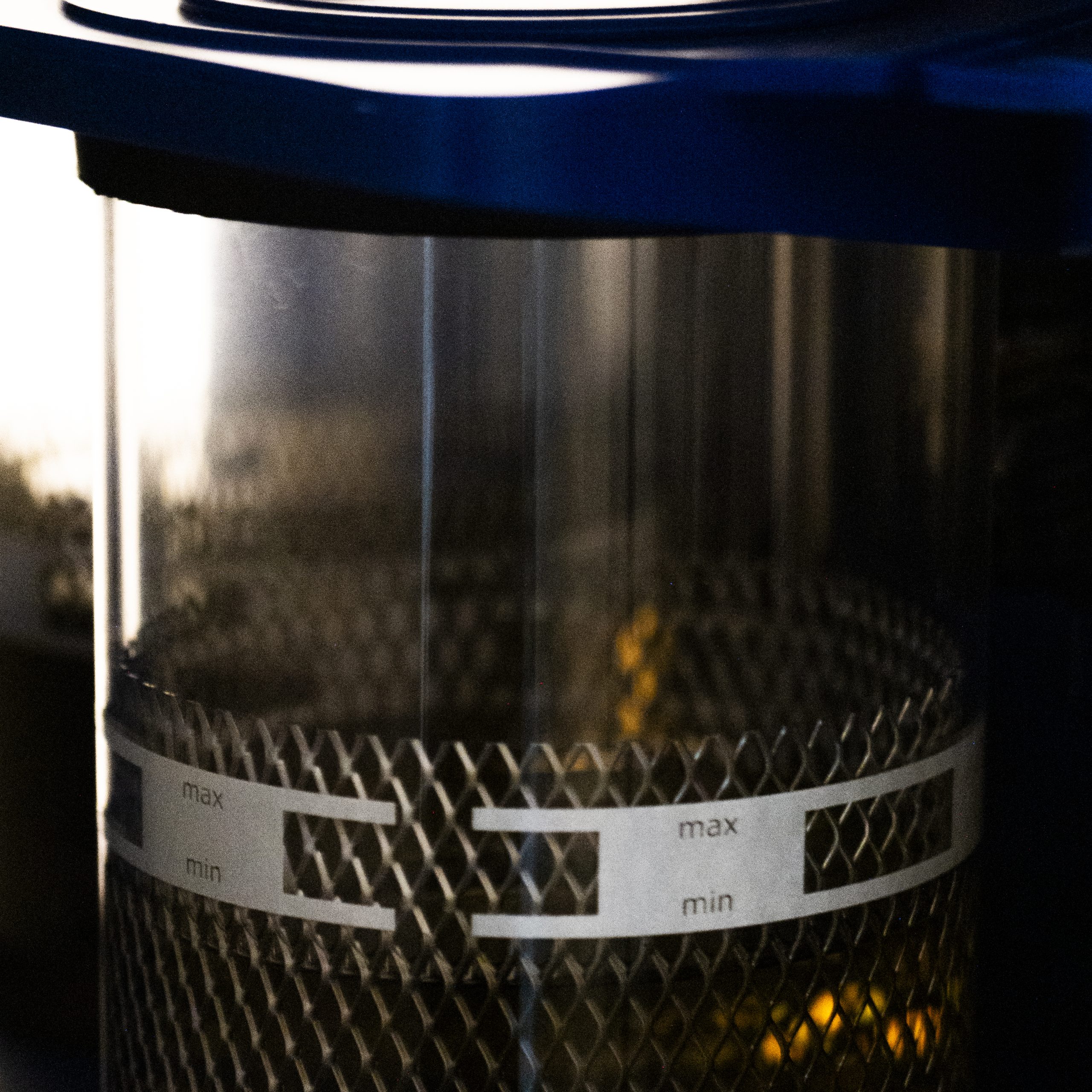
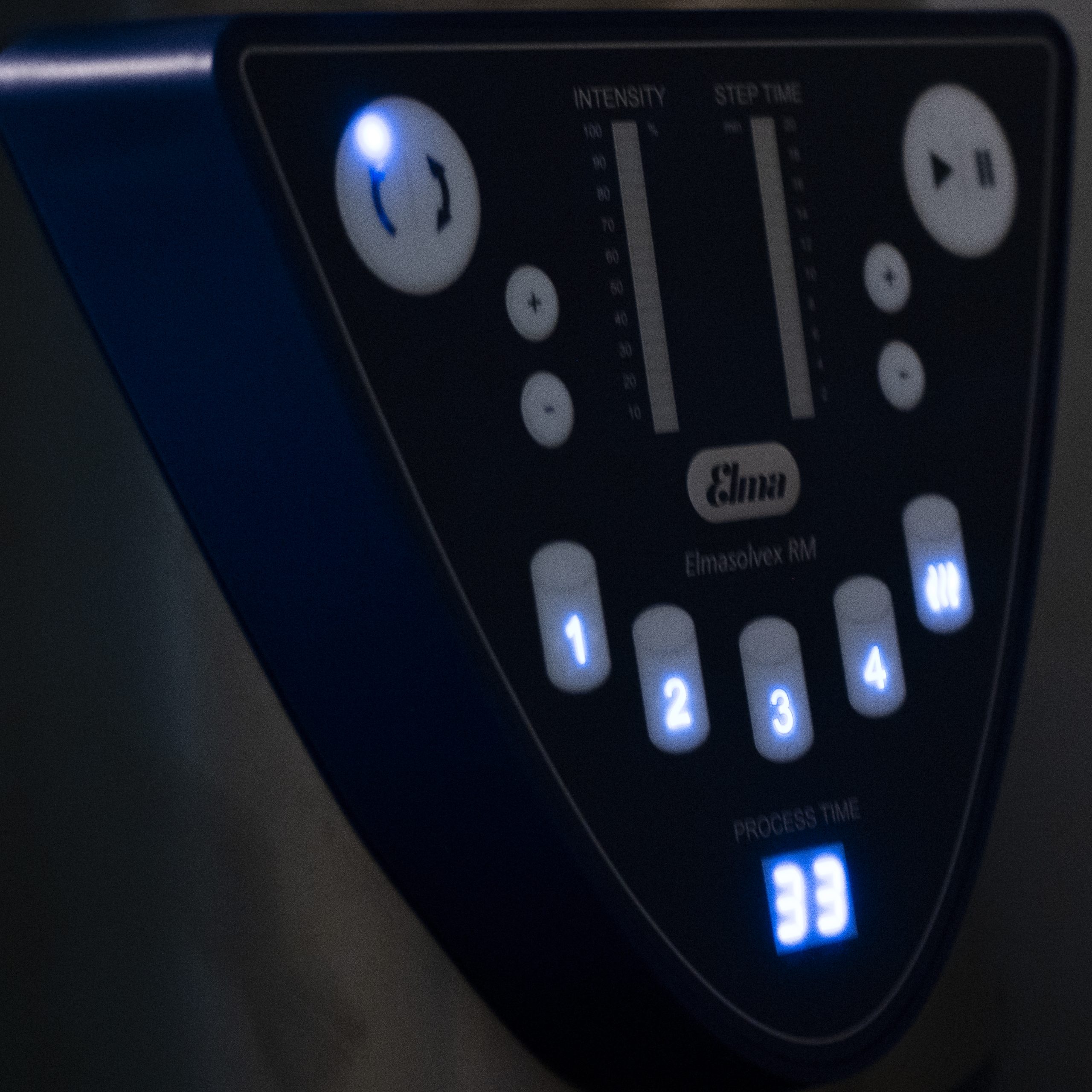
– Cleaning (multiple steps, e.g. use of pegwood/Rodico, pre-cleaning, washing, etc.)
– Organizing components in a parts tray
– Epilam treatment, theory
– Assembly
– Lubrication: overview of different oils and greases, oilers, and quantities
– Service checkpoints
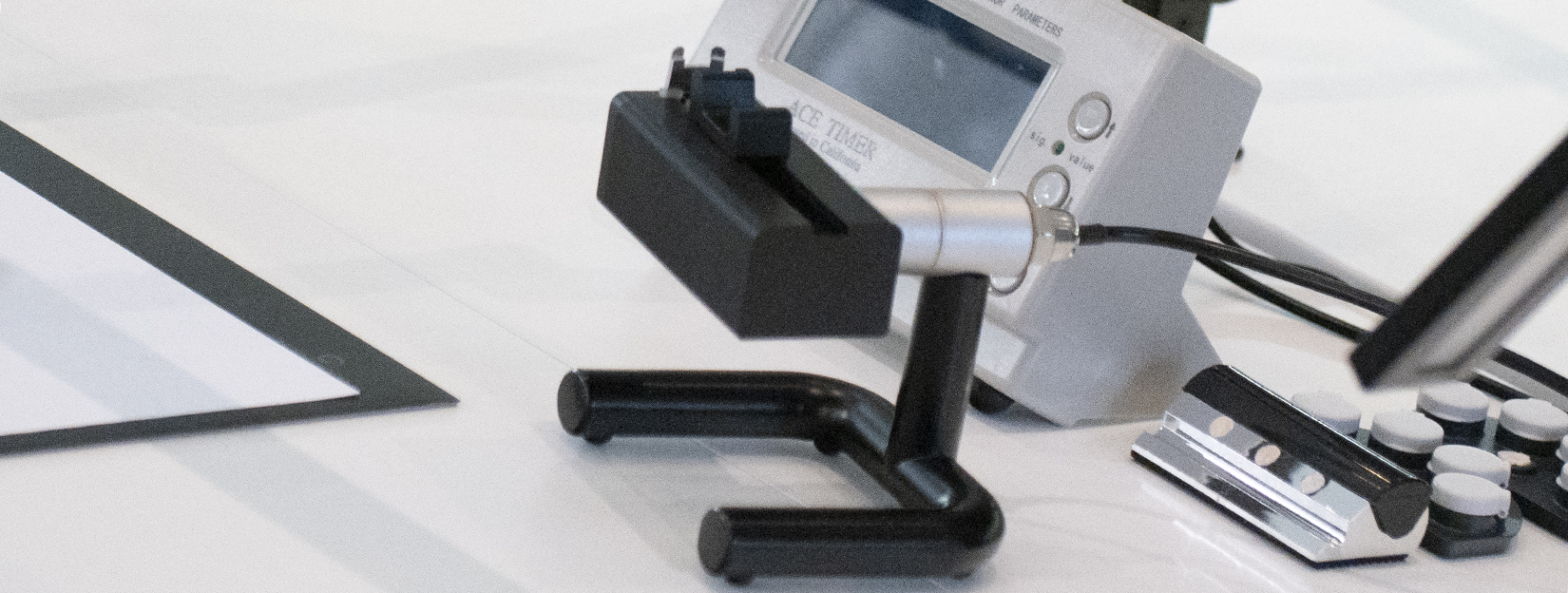
– Measurement of the movement, timing results
– Regulation and adjustment
Tools used (equivalent personal tools may also be brought):
Manufacturer | Description | Model
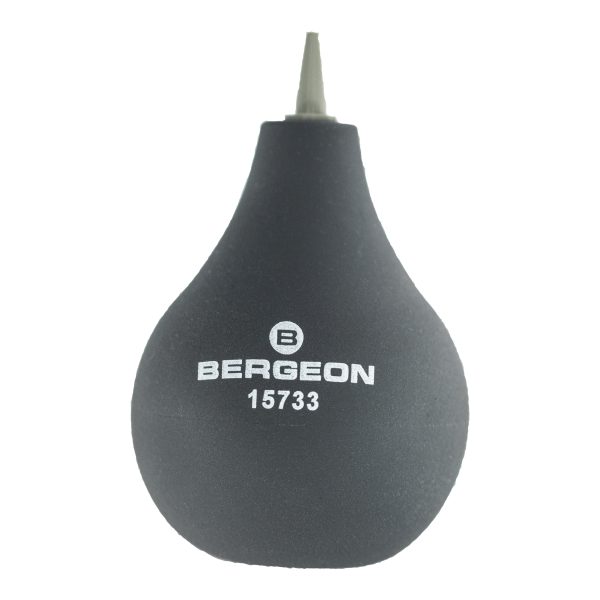
Bergeon | Dust blower | 4657
Bergeon | Screwdriver set | 6899-S09
Bergeon | Movement holder | 4040-P
Bergeon | Oiler set | 30102
Bergeon | Case cushion | 5395-75
N/A | Dust cover | N/A
Bergeon | Loupe 2.5x | 4422
Bergeon | Loupe holder | 5461
Dumont | Tweezers | No. 1
Dumont | Tweezers | No. 3
Bergeon | Mainspring winder | 7922
N/A | Oil cup | N/A
Additional information
If you are a group of at least three participants who would like to attend the course privately, we can tailor a package for you. Contact us and we will provide different options.